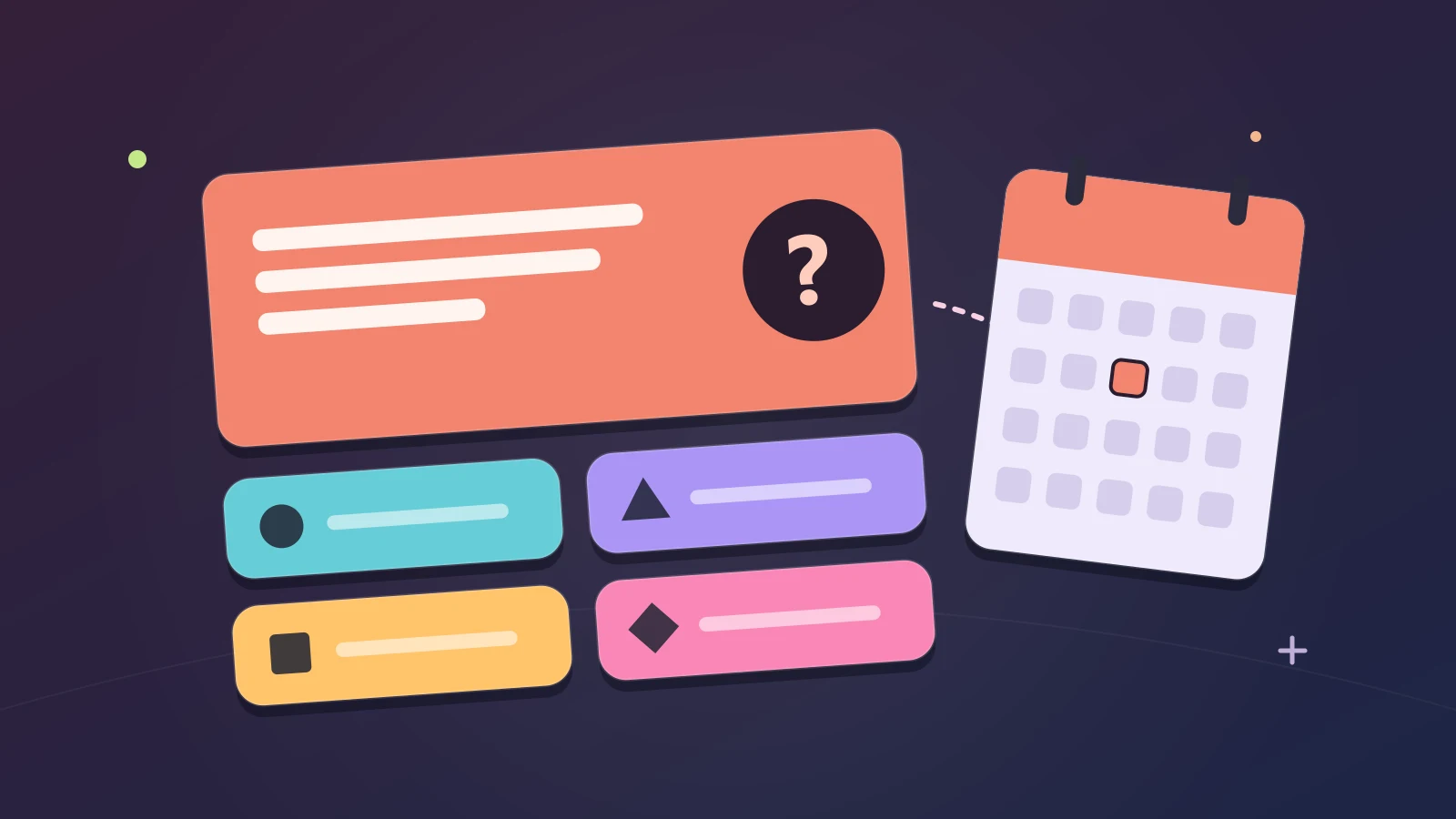
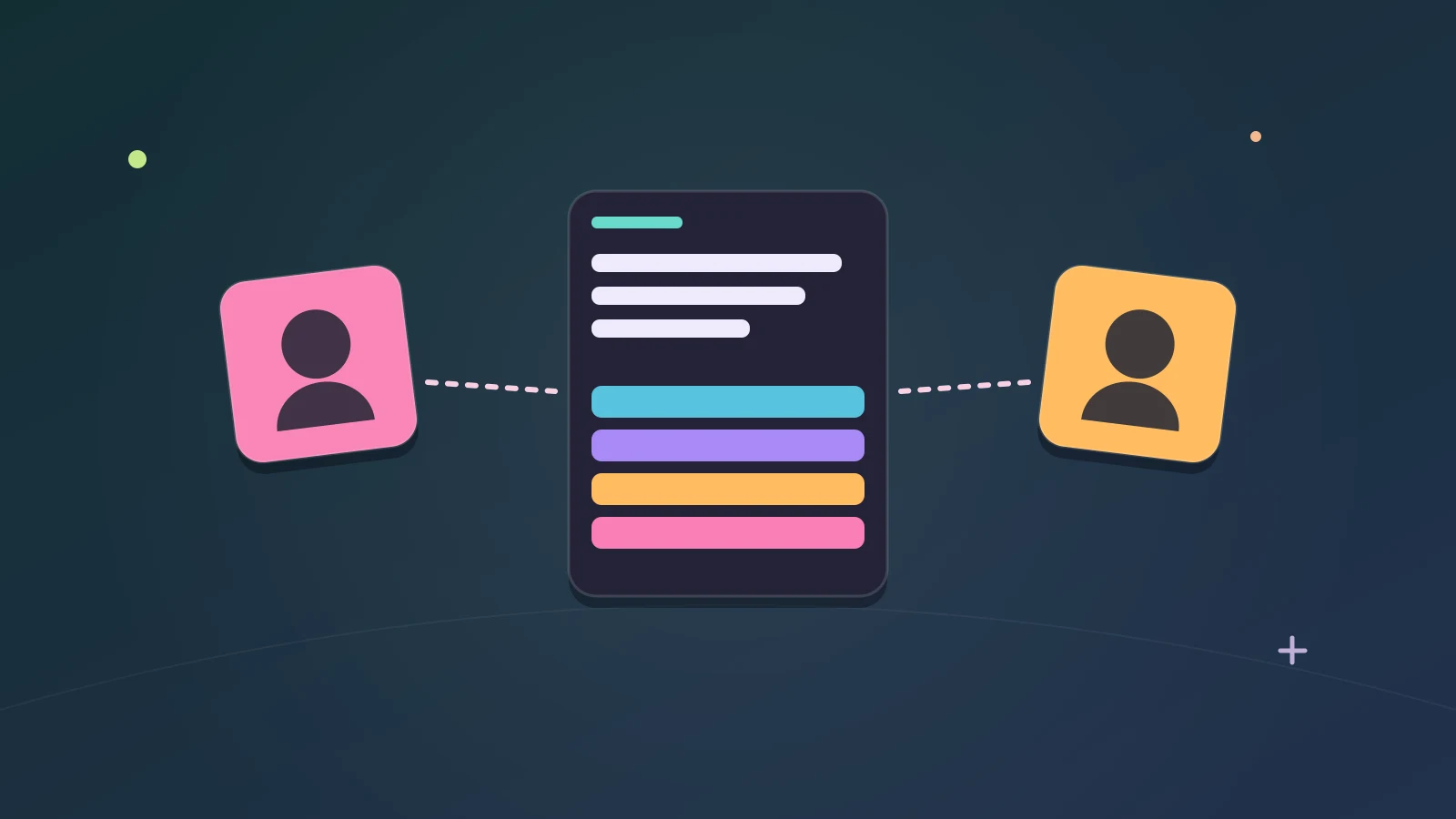
Trivia for two is its own kind of game
Trivia with a big group is loud and fast. Trivia with one friend is closer. You see every answer they give, you learn which subjects they are good at, and every point is personal.
It works for any pair: partners, roommates, siblings, a parent and a teenager, or two friends in different cities.
It needs a slightly different setup from a full game night, and Tidbit has a few ways to do it. All of them work from your own browsers, wherever you both are, with no download and no sign-up needed. Here they are, from the simplest to the most competitive.
Start a two-player party
- Open Party and create a party.
- Share its invite code or link with your friend.
- Choose the game, the subjects and the difficulty while they join.
- Start when you are both in.
A party is the most direct way to play together, and two players are enough to start a game. Anyone can host a Game Show party for up to 4 people, host included, so a party for two is free. Joining is always free too, so your friend never needs Premium to play in your party.
In Game Show, everyone answers the same question at the same time, and answering faster scores more. With two players, every question becomes a small race. Take turns choosing the subjects, so each of you gets a round on home ground.
On the same sofa? Play on two phones. The party works the same way, and you get to watch each other’s face when the answer appears.
Choosing subjects for two
- Each pick one subject per round, so neither of you is always on home ground.
- Try a subject neither of you knows well. Learning it together is half the fun.
- Keep one round for general knowledge, where anything can come up.
With 30 subjects to pick from, from Animals to World Cultures, you will not run out of new match-ups for a long time.
Party modes that work well with two
- Mirror: you answer, then guess which answer another player chose. With two, you are always guessing your friend.
- Curveball: you are shown another player and four questions, and you pick which one they have to answer. With two, you choose your friend’s question every time.
- Conviction: you answer in secret, then see what the other player picked and can change your mind.
- Co-op: you work through one shared pool of questions against a clock, choosing which ones to take on. Harder cards are worth more, and a wrong answer burns that question for good.
- Sprint: you both race through the same questions at your own pace, and harder ones are worth more.
These modes are about reading the other person as much as knowing the answer, which is what makes trivia for two fun. Mirror and Curveball in particular are really questions about each other, so they work best with someone you know well.
All five need one player in the party with Premium, and a Premium party can play every party mode.
Each day, one of the other party modes is free for everyone, so some days you can try one of them without Premium.
Play Higher or Lower together
Higher or Lower asks one thing: which of two numbers is higher? It works well for two, because the arguing starts before anyone answers.
It is also the easiest game to explain to someone new: two numbers, pick the higher one.
As a party game, Higher or Lower needs one player in the party with Premium and can be played as Game Show, Sprint or Survival. In Game Show, you both get the same two cards at the same moment, and a fast right answer scores more. In Survival, you each play the same cards at your own pace and go as far as you can before your lives run out.
Without Premium, you can still play side by side. Both open Higher or Lower Freeplay, which is free, and see who keeps the longer streak.
Two players in two places
A party works the same from anywhere with an internet connection, so distance does not matter. Agree on a time, keep a voice or video call open, and the host starts the game when you are both in.
If time zones make a shared evening hard, play the parts that do not need you both online at once: the Daily Question, the same for everyone each day, and Arena’s friends leaderboard.
Compete without being in the same game
Sometimes you cannot play at the same time. Arena gives you another way to compete: ranked one-on-one trivia matches, with a friends leaderboard that shows how you compare.
You each play your own matches when you have time, and the friends board keeps score between you. Arena is free to play with no sign-up needed to start, and you can find it on the Arena page.
Keep score over time
One evening is a game; a month of evenings is a rivalry. Keep a simple tally of who won each night in your chat, and play to a target: first to ten wins, or best of five nights.
Tidbit keeps statistics for every player, free, so you can each look back at how you have been doing.
Agree on a prize that is not too serious: the loser picks the next film, or buys the coffee.
A simple plan for a two-player evening
- Warm up with the Daily Question and compare answers.
- Play a few Game Show rounds in a party, taking turns to choose the subjects.
- Switch to a mode that is about each other, such as Mirror or Curveball, if your party has it.
- Finish with Higher or Lower and settle who knows numbers better.
Whoever loses picks the subjects for the first round next time. Apart for the evening? Keep any voice or video call open alongside the game. For a bigger group next time, here is how to run an online trivia night with friends.
Tidbit is for ages 13 and above.
By the team making Tidbit. Questions or a correction? Get in touch.