What makes trivia ranked
Most trivia is played for the moment: you answer, you see how you did, you play again. Ranked trivia adds a record that carries from match to match. Your results place you on a ladder of ranks, and the ladder shows how far you have come.
In Tidbit Trivia, ranked play is called Arena. Arena puts you in one-on-one trivia matches. You and your opponent answer the same question at the same time, and a faster right answer scores more.
This guide covers what to know before you start: placement, the ranks, how subjects are chosen, seasons, leaderboards and what is free.
What a ranked match looks like
Each round shows one question to both players at once. There are no turns: you both read the same question and answer against the same clock. A faster right answer scores more, a wrong answer scores nothing, and a streak of right answers pays more.
Below Scholar, a match has two subjects with five questions each. From Scholar up, a match is best-of-three sets. Either way, a match is short enough to play on a break.
Ranked and casual trivia
- Casual trivia: any subject, any time, nothing to lose. In Tidbit, that is Freeplay.
- Ranked trivia: every match counts, and your results place you on a ladder. In Tidbit, that is Arena.
The two work well together. Casual play is where you learn and try new subjects; ranked play is where you find out what stuck.
A good routine is a few minutes of Freeplay to warm up, then a couple of Arena matches while you are sharp. When you start rushing answers, go back to Freeplay or stop for the day.
Your first five matches are placements
You do not start with a rank. Play five placement matches for your first rank; the ranks run from Novice up to Oracle.
Treat placements like any other match. Pick subjects you know, read every question to the end and do not rush. There is no trick to them: they give the ladder enough results to place you.
After placement, your results keep moving you on the ladder. If a session goes badly, take a break rather than queuing again straight away. Tired, rushed answers are the easiest points to lose.
Placements are also a good test of your subject picks. If one keeps costing you, swap it before your next session.
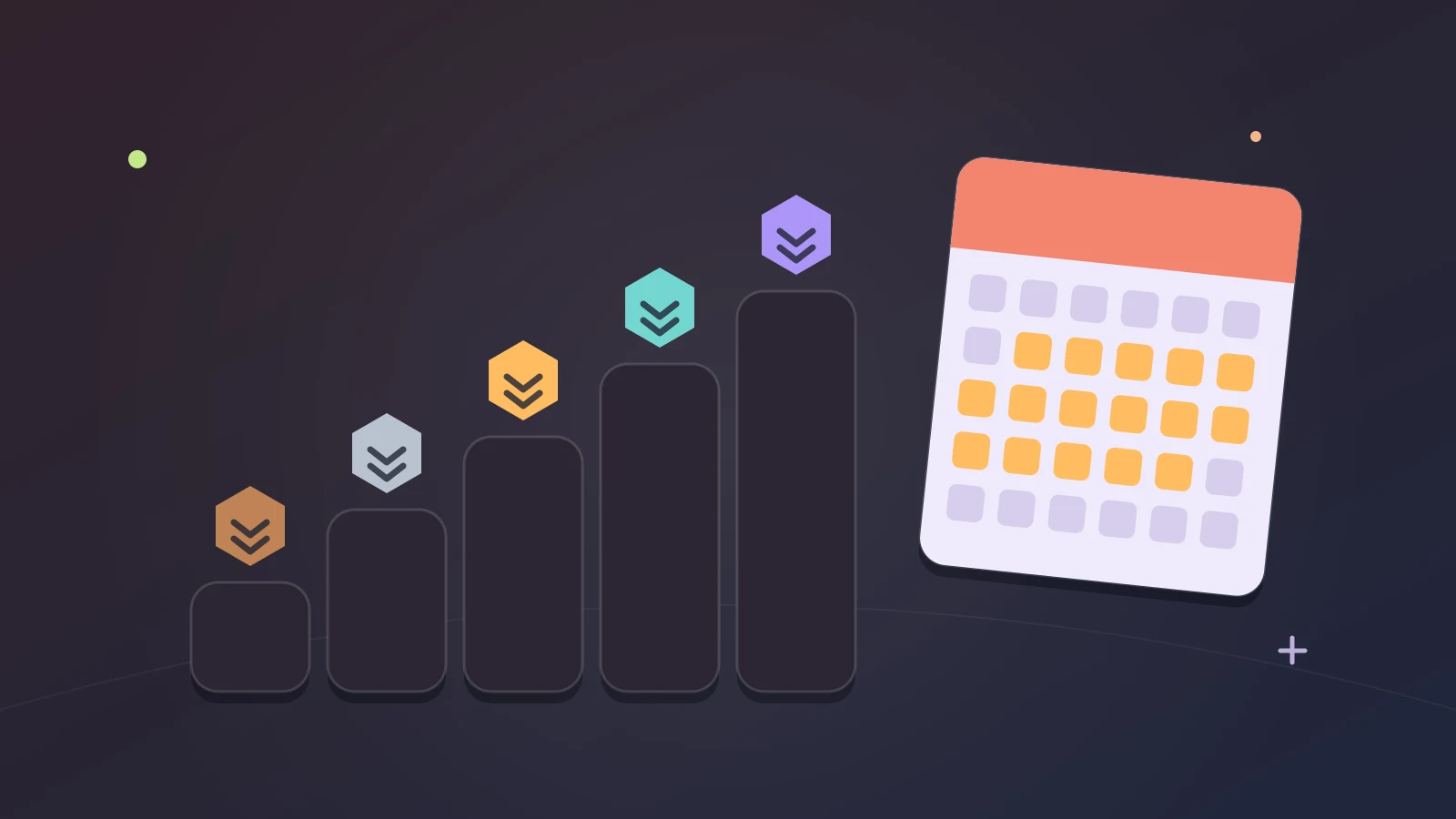
The ranks, from Novice to Oracle
- Novice
- Bronze
- Silver
- Gold
- Platinum
- Diamond
- Scholar
- Mastermind
- Oracle
That is the ladder, from the first rank to the highest. Most of the climb plays the same way. The top three ranks are different, which is worth knowing before you get there.
Scholar and above play differently
From Scholar up, a match is best-of-three sets, and the players’ subject picks no longer choose its subjects.
That is the point where ranked trivia becomes a test of range. Below Scholar you can lean on the subjects you picked. Above it, you cannot choose your ground, so practicing widely on the way up pays off.
Getting close to Scholar? Spend some Freeplay time on subjects outside your picks. With Premium, Category Run gives you ten questions on one subject you choose.
How subjects are chosen
Before you queue, you pick at least three of ten Arena subjects. Below Scholar, a match draws its two subjects from both players’ picks, so expect one subject your opponent chose.
Pick subjects you know well, and do not be surprised when the other one is not your favorite. Everyone meets a subject they would not have chosen sooner or later.
To practice, play Freeplay on Tidbit Home. It is free, you choose the subjects and difficulty, and there is no score to lose, so it is a good place to work on a weak subject before it turns up in a match.
Seasons and what they give you
Arena runs in seasons of two months. Each season, the ranks you reach give Quills and titles, and reaching a rank for the first time gives a border and a profile card.
So every season pays again for the ranks you reach, while borders and profile cards mark the first time you reach each rank. Quills buy cosmetics in the Shop.
A new season is a good moment to start playing ranked, because its rewards are there to earn from your first match.
Three leaderboards
See where you stand on the global, regional and friends leaderboards. The regional board is by continent.
The global board shows the very top. The regional board is closer to home. The friends board can be the most fun of the three: beating a stranger is fine, but passing a friend is better.
Add the people you play with as friends, and the friends board turns into a running contest between you.
Before your first match
- Pick at least three of the ten Arena subjects, starting with the ones you know best.
- Warm up with a few questions of Freeplay.
- Play your five placement matches when you have a few quiet minutes.
- Look at the three leaderboards once you have your first rank.
After that, the ladder takes care of itself. Play when you are fresh, stop when you start rushing, and check the leaderboards now and then to see how far you have come.
Free to play, and the account step
Arena is free to play with no sign-up needed to start. Tidbit makes an account for you the first time you open it, so you can queue straight away.
You can play ranked up to Bronze without linking that account. From Silver up, Tidbit asks you to link it with Google, Microsoft, Discord or email. Linking is what lets the same account open on another device, so a new phone or computer does not mean starting again.
Training comes with Premium. Everything else in this guide, from placements to seasons and leaderboards, is part of free ranked play.
Ranked trivia in Discord
Ranked 1v1 Arena plays inside Discord too, so you can queue for a match from a Discord channel.
Your Discord account is a real Tidbit account. Sign in with Discord on tidbittrivia.com and the same account opens there, rank and all.
It is a good way to keep the competition going after a party: when the game night ends, anyone who wants one more challenge can queue straight from the channel.
Where to start
Open the Arena page to play your first placement match. Want an edge first? Read seven habits that win more 1v1 matches, or see what a competitive 1v1 match feels like.
Tidbit is for ages 13 and above.
By the team making Tidbit. Questions or a correction? Get in touch.